Garden Habitats: Creating a Water-Smart Pond Border for Year-Round Interest
Design a resilient pond border with native and british pond plants, balancing water features and wildlife-friendly planting for year-round color.
Opening: Setting the Scene for a Small Water Feature
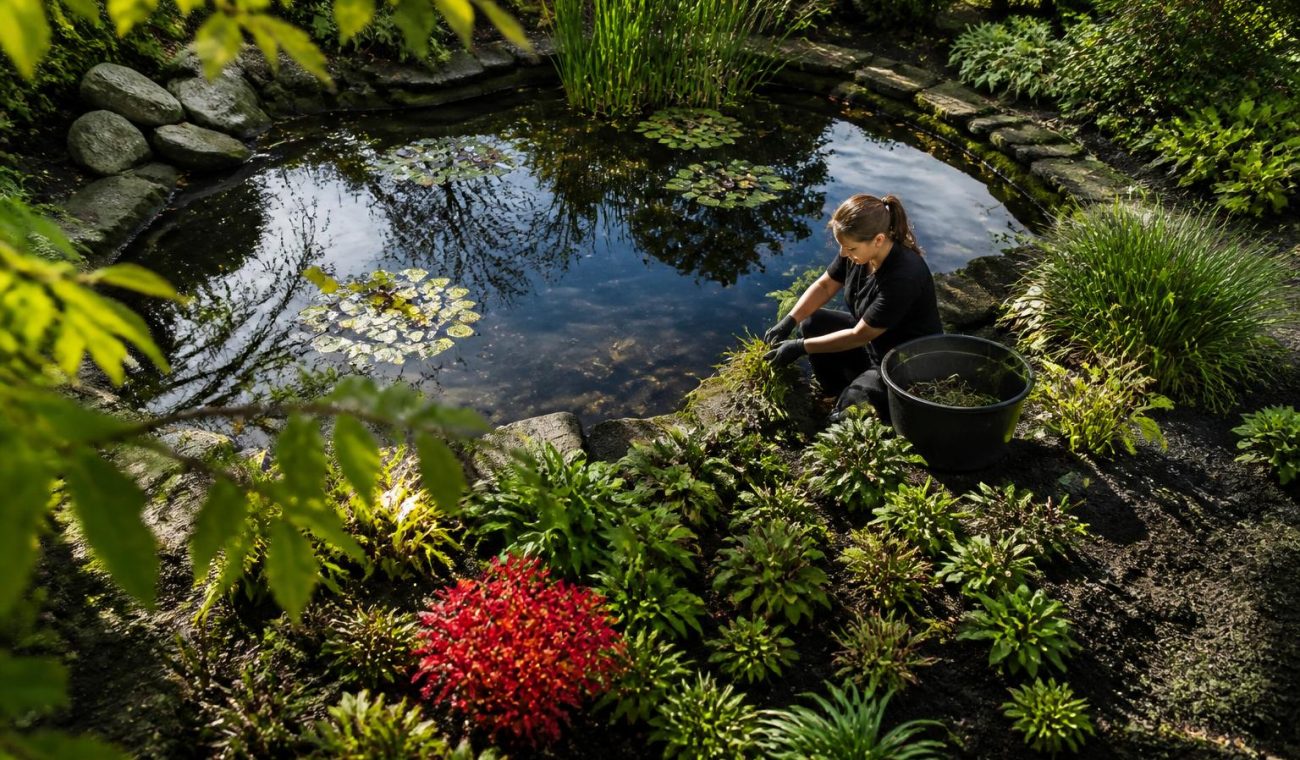
A garden pond can be a quiet, living sculpture that changes with the seasons, offering movement, sound, and texture beside the lawn or a shaded corner. Thoughtful planning begins with sunlight, depth variety, and a gentle margin that hosts both water-loving and terrestrial plants. For enthusiasts seeking a reliable start, consider a catalog-style approach to select species that thrive together, and explore practical choices like Pond Plants to guide initial picks that maintain balance and ease of care.
By choosing a modest depth gradient and a forgiving edge, you invite natural colonizers to establish without overwhelming the space. Focus on a mix of oxygenating plants, marginal pond plants, and flowering varieties that bloom at different times, ensuring consistent interest. This approach avoids crowded planting, supports water quality, and creates a habitat where no people intrude, letting wildlife use the space as a sanctuary and you observe with a quiet, attentive eye.
Section Two: Planting Strategy for a Confident Water Feature
Start with a core trio: a water lily to frame the surface, a few robust marginal pond plants along the edge, and submerged oxygenators beneath the surface. Position water lilies toward the center, ensuring their leaves reach the light without shading nearby marginal plants excessively. Marginal pond plants should line the bank with staggered clumps that anchor the edge and offer texture, while oxygenators keep the water clear and inviting for beneficial microorganisms.
The planting plan should include seasonal color and structure, alternating leaf shapes and heights to prevent flat lines across the margin. Choose varieties with different bloom times and foliage colors to extend interest from spring through autumn. Keep a light hand with pruning to avoid disturbing root systems, and schedule annual checks for foliar pests or algae that could hint at imbalances in nutrients or circulation.
Section Three: Water Lilies and Their Companions
Water lilies provide a glossy, reflective surface and a slow, graceful presence that anchors the pond’s aesthetic. Select cultivars that suit your climate and depth, paying attention to bloom size and scent. Pair lilies with compact marginal plants that tolerate damp soil, such as iris or grasses, to create a layered look where each element supports the other’s needs and contributes to a calmer water experience without crowding the bed.
When placing lilies, ensure their root runners have room to spread without shading marginal plant crowns. Regular removal of spent blooms encourages continuous flowering and reduces seed production that can overwhelm shallow margins. With careful spacing, you achieve balance between the floating leaves of water lilies and the textures of nearby foliage, resulting in a serene, immersive landscape that invites observation rather than disruption.
Section Four: Choosing British Pond Plants for Local Conditions
British pond plants commonly succeed in temperate climates when given consistent moisture and adequate sun. Favor native or well-adapted species that resist disease and thrive with seasonal temperature swings. A practical mix might include flag Irises for vertical accent, marsh marigold for spring brightness, and blue-tinged grasses to create subtle movement along the shoreline, all chosen to harmonize with existing garden plants and wildlife corridors.
Incorporate resilient marginal plants such as reed grasses and soft-stem sedges that tolerate both wetter winters and drier summers. These selections anchor the bed, reduce soil erosion, and provide habitat for small invertebrates. By leveraging native or regionally proven varieties, you minimize maintenance while maximizing ecological benefits and visual quietude around the pond’s edge.
Section Five: Maintenance Rhythm for a Peaceful Ecosystem
Establish a simple, seasonal maintenance rhythm that respects the pond’s balance. In spring, trim dead material and reintroduce any plants that have shed overcrowding tendencies over winter. Summer tasks focus on keeping circulation steady, removing excessive growth that blocks sunlight, and monitoring nutrient levels to discourage algal blooms. Fall duties include tidying fallen foliage and preparing marginal plants for cooler months, ensuring a healthy ecosystem ready for the next cycle.
Keep a watchful but unobtrusive approach: photograph growth trends, note what thrives, and adjust by moving pot-bound specimens to better-suited spots. Regular checks for pests, such as leaf-mining insects or aphids on marginal plants, help prevent outbreaks that could stress aquatic species. A calm, consistent routine strengthens a water feature that remains a garden focal point without demanding constant intervention.
Section Six: Design Details That Elevate the Space
Texture and color choices should echo the surrounding garden language while standing as a distinct feature. Pair glossy lily pads with matte grasses, add a splash of seasonal color from flowering marginal plants, and use stone or timber edging to define the boundary without encroaching on the water. Thoughtful scale breaks lines and creates intimate pockets for wildlife, turning the pond into a quiet, restorative retreat rather than a showy focal point.
Layer planting—tall at the back, mid-height in the middle, and low along the water’s edge—can produce a naturalistic feel that still respects practical maintenance routes. Consider contextual lighting for evenings that reveal shimmering reflections, and build multiple entry points to the bed so you can observe discreetly and adjust without disturbing habitat. The result is a garden feature that feels timeless and generous to creatures that depend on steady moisture and shelter.
Section Seven: Practical Considerations for a Long-Lasting Pond Border
Security in the sense of weather resilience matters as much as aesthetics: choose durable pots or planting pockets that withstand frost and heavy rain. Avoid overcrowding by spacing plants with room to expand and by planning for future growth. A modest, adaptable layout reduces the risk of root crowding and helps maintain healthy water through improved aeration and sunlight exposure across the planting bed.
Finally, document your layout and take seasonal notes on growth patterns and bloom timing. This record becomes a practical guide for future plantings, ensuring your water feature remains balanced for years to come. With deliberate choices and a patient, observant approach, your pond border evolves into a tranquil garden corner that supports biodiversity while enriching your outdoor experience.