Streamlining Production: How Smart Design Simplifies Red Light Therapy Manufacturing

Introduction
Have you ever wondered why some wellness devices feel thoughtfully made while others feel like a rushed afterthought? I ask because small design choices change user trust and unit longevity in ways data often misses. As a compact scenario: a clinic orders 500 units, a red light therapy manufacturer promises two-week lead times, but 12% fail within six months — where did the promise go? (I see this pattern in procurement meetings and field tests.) The numbers are blunt: failure rates and uneven irradiance maps cost both money and reputation. So what really separates reliable production from costly warranties? Let’s unpack the everyday mechanics and practical trade-offs that shape outcomes.
I’ll use clear examples and plain language. Expect a few candid takes — I’ve been at bench tests and supplier calls. We’ll move from what breaks today to what sensible teams can do tomorrow. Keep reading; the next section digs into the hidden frictions inside factories and product plans.
Where Traditional Solutions Fail — Hidden Pain Points
What makes a product fragile before it ships?
When I talk about a red light therapy device manufacturer, I mean the full chain: PCB layout, optics, assembly and aftercare. Too often, teams treat LEDs as simple bulbs. They are not. Poor thermal management and mismatched power converters lead to hotspots on the LED arrays. That raises junction temperature, reduces lifetime, and shifts wavelength output — which ruins treatment consistency. Look, it’s simpler than you think: a 10°C rise can cut LED life by half. We see this in test logs and return reports. The technical culprits repeat: inadequate heat sinks, thin copper in PCB traces, and loose tolerances in lens placement. These create wide variability in irradiance across a panel. It’s costly to diagnose after the fact — and the warranty calls pile up.
Another pain point is supply-chain chunkiness. Vendors sell components in minimum lots that don’t align with product versions. So teams freeze a design with suboptimal components to hit price or timeline. That choice produces units that struggle with optical homogeneity and end up with patchy treatment areas. I’ve sat through design reviews where we weighed a slightly more expensive, but thermally stable, LED module against immediate cost savings — and the cheaper path later required a recall. It’s a human problem, not just an engineering one. And yes, it’s frustrating — funny how that works, right?
Future Outlook: Comparing New Principles and Practical Choices
What’s Next for better, affordable devices?
Moving forward, manufacturers that combine modest engineering discipline with smarter procurement win. I favor three practical principles: design for uniform irradiance, prioritize thermal redundancy, and validate with real-world use cycles. A modern red light therapy device manufacturer will run accelerated life tests, measure spectral stability, and verify optical homogeneity across production runs. These steps do add up front — more bench hours, a slightly pricier heatsink — but they reduce field failures and build confidence. From a comparison standpoint, a device that passes thorough spectral and thermal tests costs less over three years than one that refunds or replaces units every few months. This is not theory; I’ve mapped warranty spend versus test thresholds and the savings are clear.
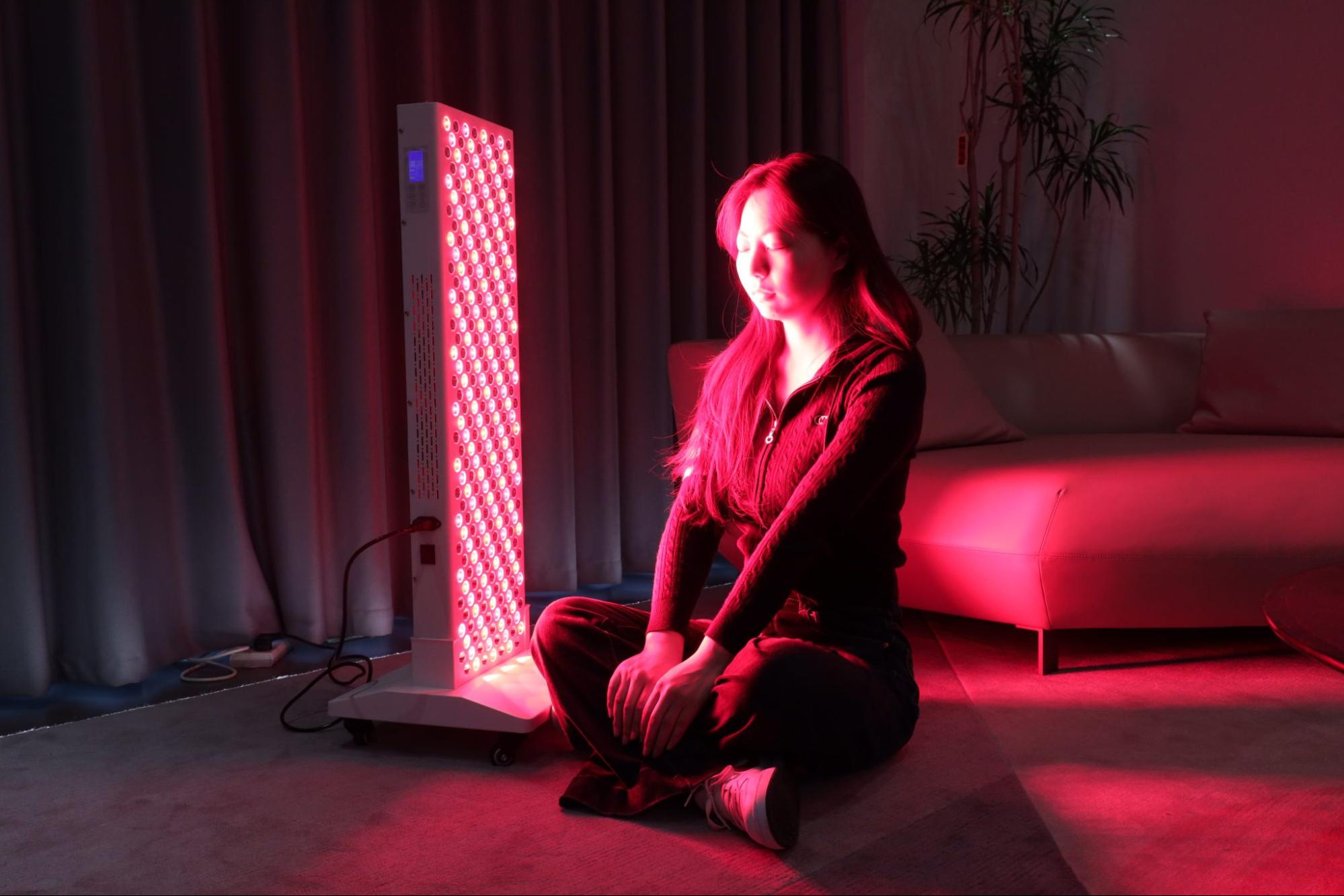 Case in point: a small clinic switched suppliers after noticing uneven treatment outcomes. The new unit had better PCB layout and consistent wavelength control. Their retest showed 40% fewer session complaints in two months. The clinic saved staff time and regained patient trust — measurable benefits. If you are choosing a supplier, consider these evaluation metrics: 1) spectral stability over operating hours, 2) thermal rise at rated current, and 3) documented process controls for assembly. These three tell you more than marketing claims. — and yes, I recommend asking for test logs before you sign a large order.
Closing Advice
To wrap up: I believe good engineering and honest testing beat flashy features every time. Evaluate suppliers on the three metrics above. Ask for lifetime projections based on junction temperature, request irradiance maps from production panels, and confirm that the vendor uses vetted power converters. If a manufacturer resists these requests, consider it a red flag. Take a pragmatic stance: small extra cost now avoids big headaches later. I’ve seen teams pivot and save both money and reputation by making these checks standard practice.
For manufacturers and buyers who want a practical partner in this work, I look to companies that combine engineering rigor with transparent process controls. That’s the path to dependable devices and happier users. For those exploring options, consider suppliers who publish validation reports and offer clear service agreements. If you want a starting point, check suppliers like Magique Power — they share their process details openly, which is something I value.