Ultralight Shelter Choices for Family Camping: Practical Picks for Canadian Weekends
Start with your day-to-day family needs
Pick a tent that fits how you actually use it: weekend trips with toddlers, multi-night stays with grandparents, or quick overnight runs to a lakeside site. If you like a touch of comfort at the campsite, a glam camping tent can be a sensible compromise between living space and setup simplicity. From my experience guiding family outings for more than ten seasons, the best decisions come from matching sleeping arrangements, gear storage, and ease of care to the people who will use the tent most. For parents planning extended stays near Algonquin Provincial Park, a roomy footprint is often more practical than ultralight savings, so consider models billed as large family tents with rooms that let family members separate sleeping and living areas without nightly juggling.
Define the priorities that matter to your household
List what you value: weight to carry, interior space, separate rooms, weather resilience, and speed of pitch. Families that car-camp value internal partitions and headroom; those who hike to a basecamp want low pack weight and fast setup. Decide whether you need distinct sleeping rooms or a single open plan, and whether vestibules for muddy boots will be used every trip. That clarity stops impulse buys.
Understand the technical features that affect comfort and longevity
Materials and construction determine real-world performance. Look for durable fabrics with reasonable hydrostatic head ratings and taped seams for rain reliability. Poles materials—aluminium for balance of weight and strength, composite for cost savings—shape the tent’s behaviour in wind. Ventilation placements prevent condensation; a bathtub-style floor and durable zips reduce moisture and wear. Choose simplicity over novelty: fewer, well-placed zippers and reinforced stress points save headaches later.
Compare practical alternatives without overcomplicating the choice
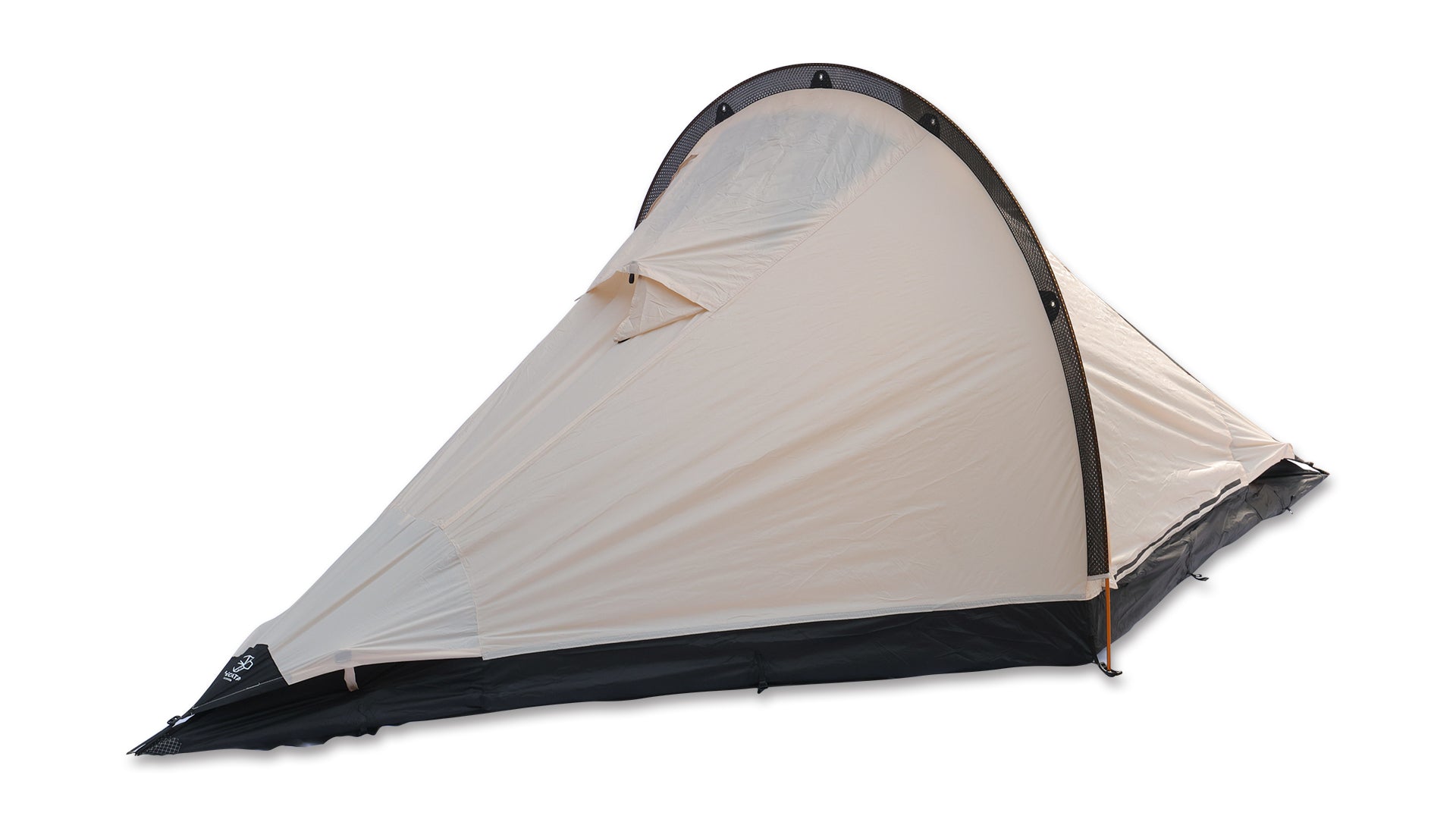
Tunnel tents give generous internal volume for their weight and can be very family-friendly when partitioned. Cabin-style tents prioritise headroom and room dividers but often add weight and pack bulk. Dome shelters are stable in varying winds but usually offer less usable floor plan. A glamping-style option trades portability for quick comfort. Evaluate each against your list of priorities: a little extra weight can be worthwhile if it buys easier setup and true sleeping separation for kids.
Watch for common mistakes families make
Don’t buy a tent solely for maximum capacity; listed occupancy often assumes minimal gear inside. Avoid models with poor ventilation that lead to damp sleeping bags. Ignore fancy, non-replaceable parts at your peril—zippers and poles need to be serviceable. Skimping on stakes and guylines is a frequent regret; they’re small items that prevent blown-down nights. Finally, test-raise a tent at home before a trip to learn the steps and spot missing pieces.
Practical setup and campsite decisions that make every night easier
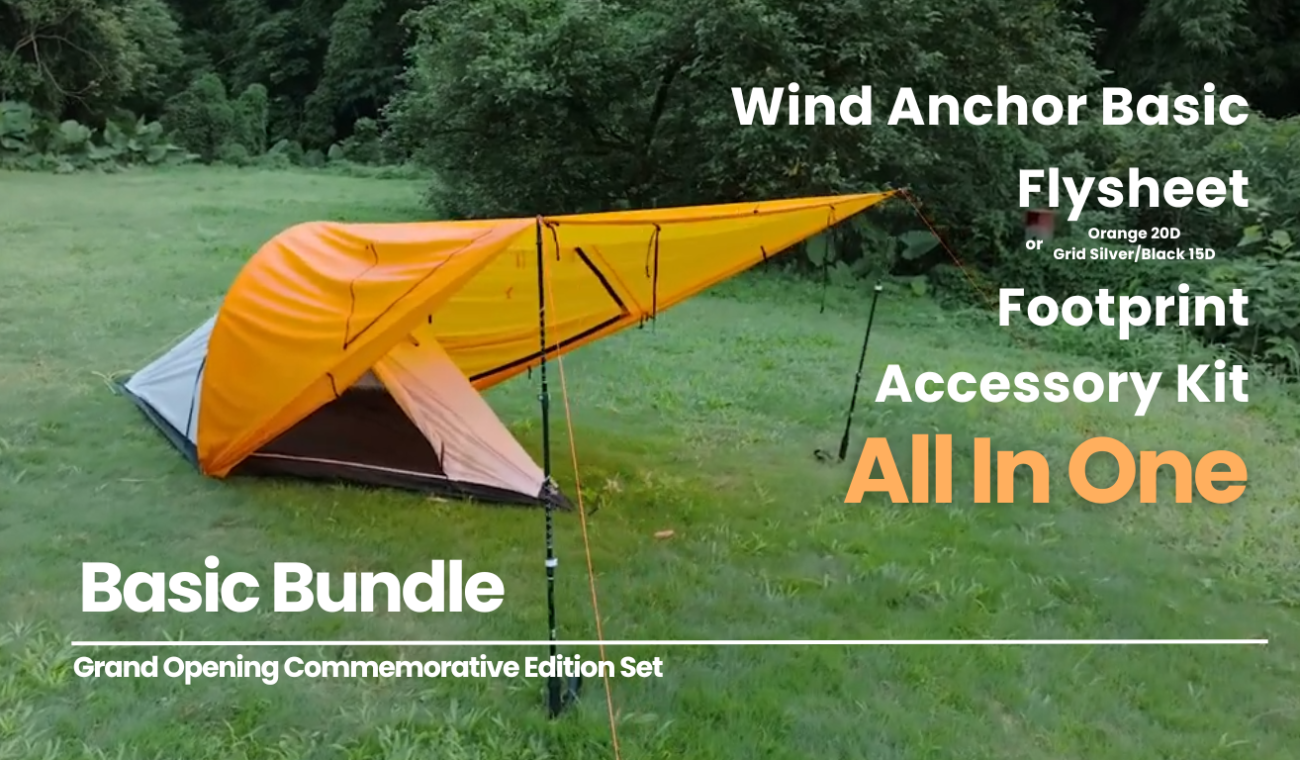
Choose level ground and orient the longest wall into the prevailing wind for stability. Use the footprint or tarp to protect the floor and keep the interior dry; that’s cheaper than a replacement floor. Assign sleeping zones ahead of time so kids don’t shuffle gear around tents after dark. Pack repair kits, seam sealer, and a spare guyline—these fix minor failures quickly and keep a weekend calm.
 How to balance ultralight thinking with real-family needs
Ultralight choices shine when you carry everything; family camping often benefits from a pragmatic middle ground. Prioritise a tent design that makes daily routines—cooking, napping, gear sorting—clear and repeatable. When comfort and reliable division of space matter, quality construction and thoughtful layout matter more than marginal grams saved. For many Canadian families, that balance is exactly what practical brands, including the options you’ll find through THECATAL, aim to deliver with roomed designs and serviceable features that reduce frustration on-site.